How Does Single Band WIFI ONU ONT Improve Network Connectivity?
2025-12-19
Abstract:Single Band WIFI ONU ONT devices play a critical role in modern network deployment. This article provides a detailed guide on the device’s parameters, applications, and frequently asked questions. Through a structured analysis, readers can understand how Single Band WIFI ONU ONT ensures stable connectivity and efficient network management.
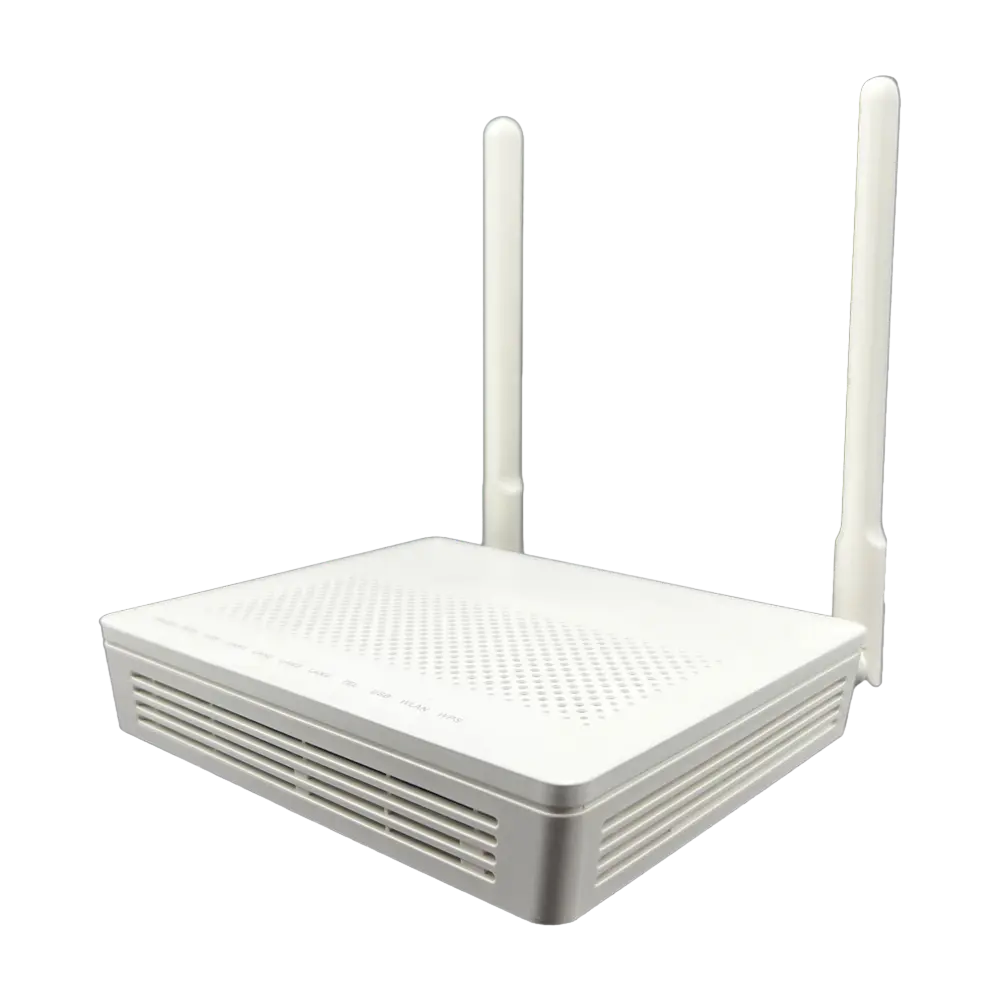
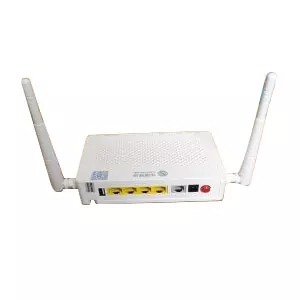
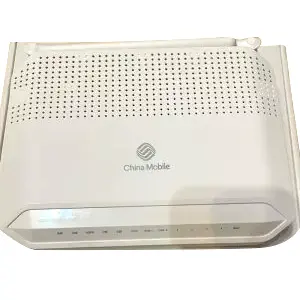
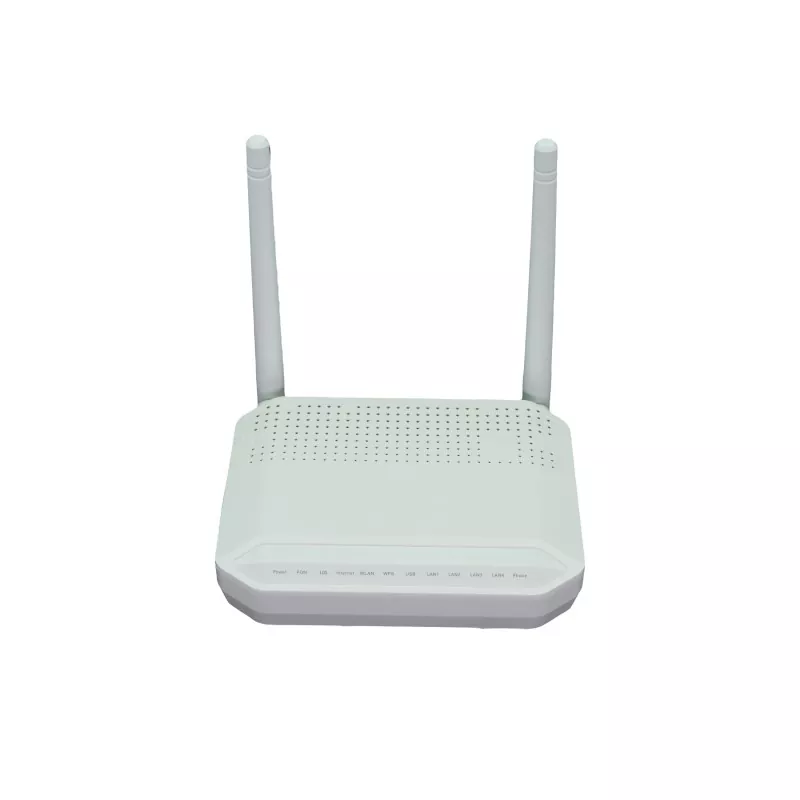
Single Band WIFI ONU ONT devices are integral to fiber-optic networks, serving as the endpoint for broadband delivery to homes or enterprises. Unlike dual-band or tri-band devices, Single Band models operate on a single frequency, optimizing cost-effectiveness while maintaining reliable performance in moderate-density environments.
The core purpose of this article is to provide a comprehensive overview of Single Band WIFI ONU ONT, exploring technical specifications, deployment scenarios, and answers to common operational questions. By understanding these aspects, network engineers and IT professionals can make informed decisions regarding network expansion and maintenance.
2. Technical Specifications of Single Band WIFI ONU ONT
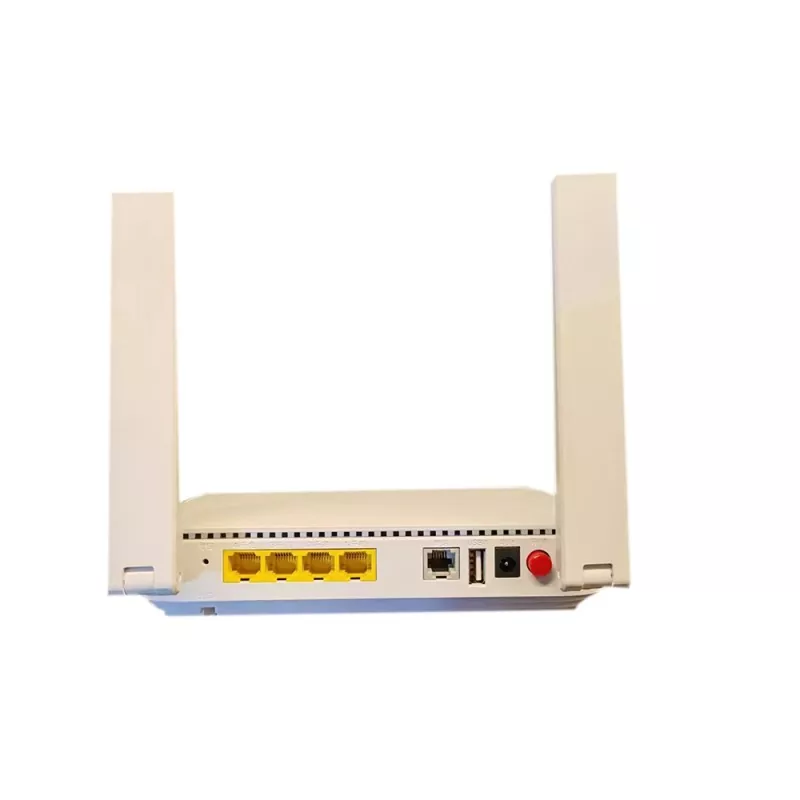
Below is a detailed table outlining key parameters of typical Single Band WIFI ONU ONT devices:
Parameter
Description
Wireless Standard
IEEE 802.11b/g/n (2.4 GHz)
Maximum Data Rate
300 Mbps
Ports
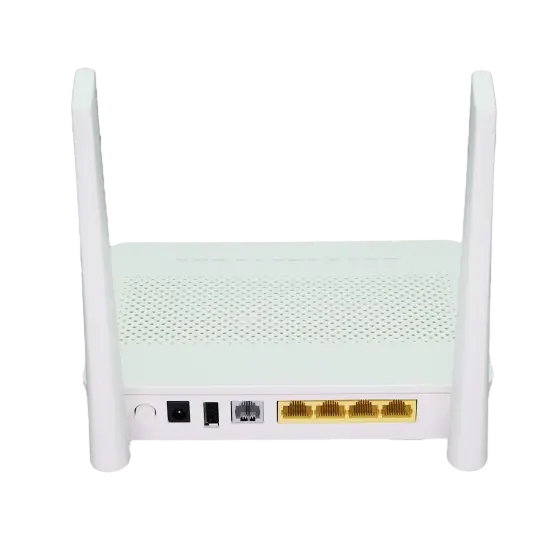
1 GE WAN, 3 GE LAN, 1 POTS port
Security
WPA2, WPS support
Power Supply
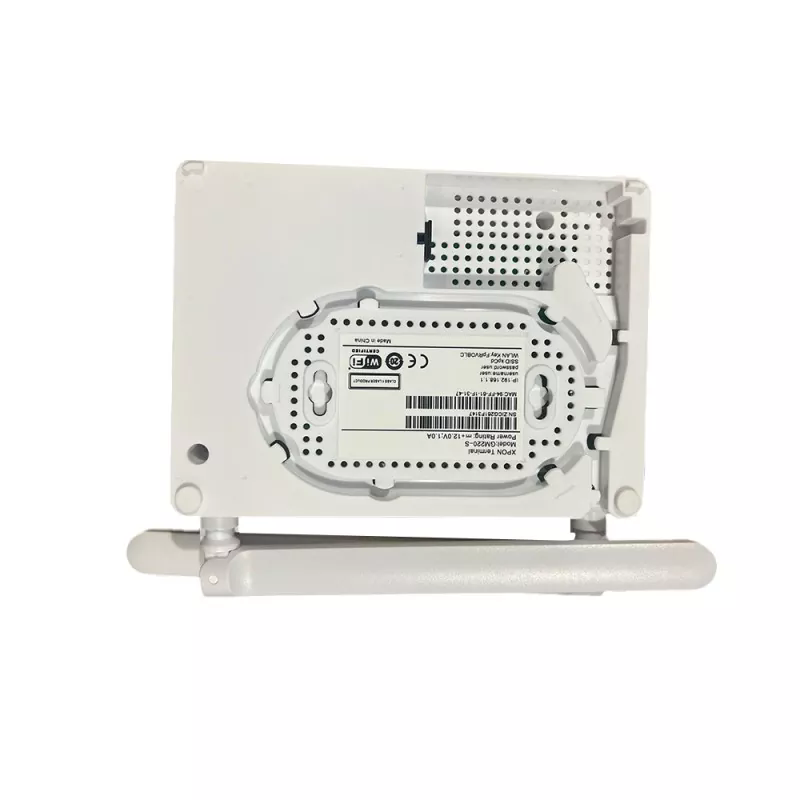
12V/1A
Operating Temperature
0°C ~ 40°C
Dimensions
150 x 100 x 25 mm
LED Indicators
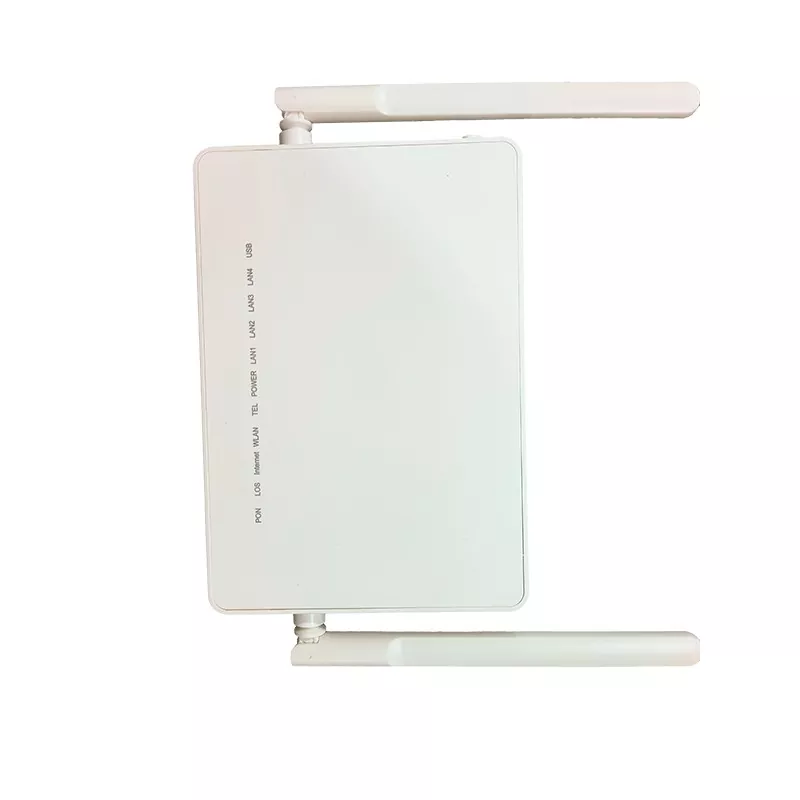
Power, PON, LAN, WLAN
These specifications provide a clear understanding of the device’s capabilities, suitable for residential and small office setups.
3. Common FAQs About Single Band WIFI ONU ONT
Q1: How does Single Band WIFI ONU ONT connect to a fiber-optic network?
A1: The device connects to the optical network terminal (ONT) through the GE WAN port, receiving optical signals converted to electrical signals. The built-in WIFI module then broadcasts the signal over the 2.4 GHz frequency, allowing connected devices to access the internet seamlessly.
Q2: How to optimize coverage with a Single Band WIFI ONU ONT?
A2: Placement is crucial. Position the device centrally within the coverage area and away from walls or metallic objects that may obstruct the signal. Adjust the antenna orientation to maximize signal distribution. For larger areas, consider additional access points or repeaters to extend connectivity without switching to dual-band devices.
Q3: How to troubleshoot connectivity issues with Single Band WIFI ONU ONT?
A3: First, check the LED indicators to ensure proper operation. If the PON light is off, verify the fiber connection. Restart the device to refresh the network. Ensure the router firmware is updated, and reduce interference from nearby electronic devices. Persistent issues may require contacting the ISP or network administrator for further inspection.
Q4: How scalable is Single Band WIFI ONU ONT for future network expansion?
A4: Single Band models are designed primarily for small-scale deployment. While they provide cost-efficient coverage, scalability is limited compared to dual-band or tri-band solutions. For expanding households or office setups, consider stacking or integrating with additional ONTs to maintain network performance.
4. Conclusion and Brand Information
Single Band WIFI ONU ONT devices remain a practical solution for stable and reliable network deployment in homes and small enterprises. By understanding their technical specifications, deployment strategies, and common operational challenges, users can ensure optimal performance without unnecessary complexity.
For professional-grade Single Band WIFI ONU ONT solutions, Tenkilometers provides high-quality products backed by technical support and global service. Their devices are engineered to deliver reliable connectivity while maintaining efficient energy consumption.
For more information or to inquire about purchasing options, contact us today and explore tailored solutions for your network deployment needs.
We use cookies to offer you a better browsing experience, analyze site traffic and personalize content. By using this site, you agree to our use of cookies.
Privacy Policy